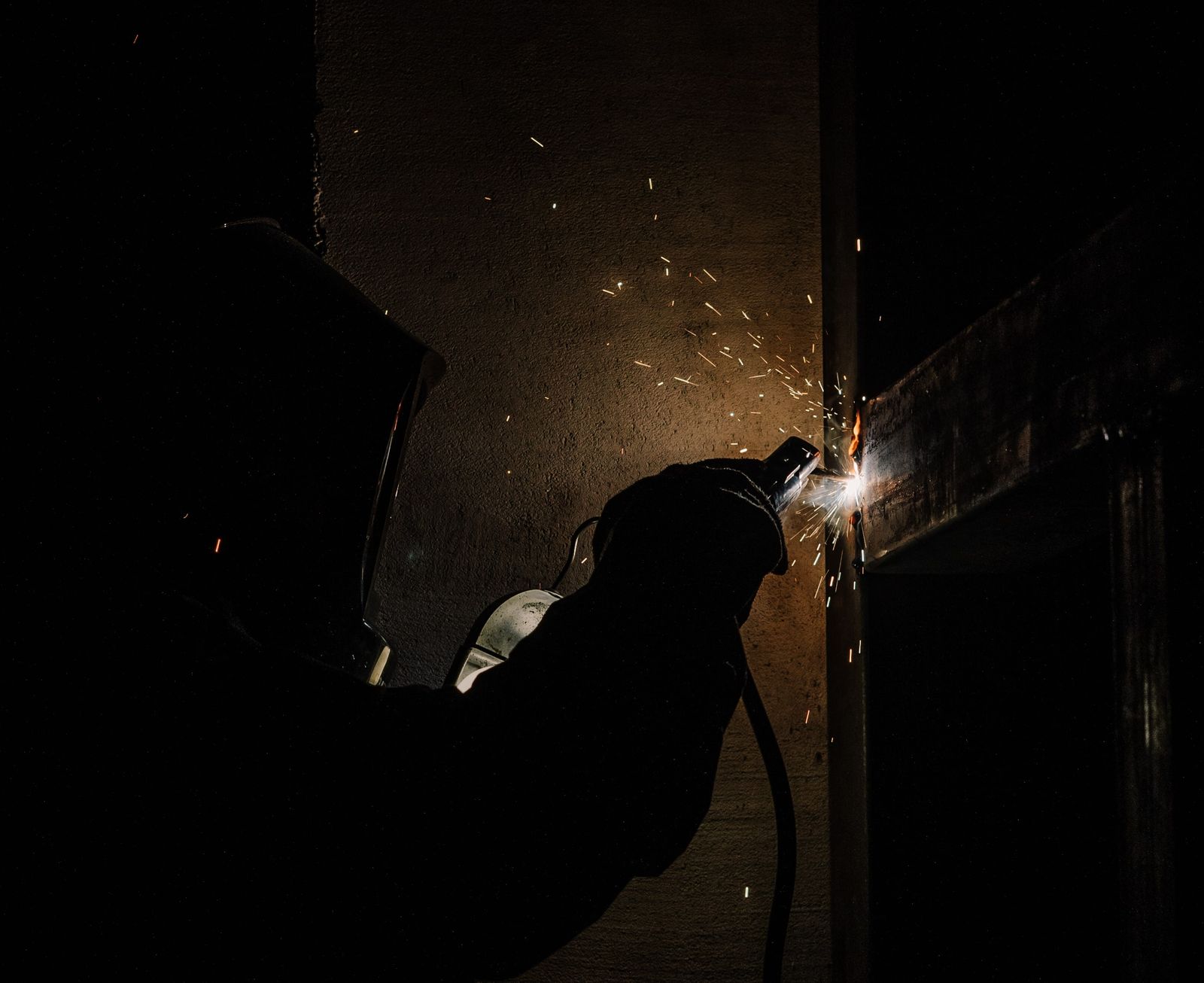
Listings for TIG and CO2/MIG-MAG welders, at home and in Germany and Austria. Create a profile with your availability and companies will approach you themselves.
Create your profile in 3 minutes, no CV needed.
If you are a welder, you get to pick the work. Demand is high in Slovakia and abroad. Most companies look for two methods: TIG (141) and CO2 / MIG-MAG (135). TIG is wanted for thin-walled pipework, stainless steel and aluminium in the chemical and food industries; it is more precise and better paid. CO2/MIG-MAG goes into structures, steel halls and heavy production, where welding is fast and in larger volumes.
For work through Alogator it helps to hold a valid welding certificate to EN ISO 9606-1 for the method you weld. Companies in Germany and Austria require it and check it, because it proves you have mastered a specific position and material to the standard. The more certified positions and methods you have, the more offers open up for you.
Welding is one of the most sought-after trades. Demand is strong at home and even stronger in Austria and Germany. You will find more about working across the border on the working abroad page.
The difference from a classic job hunt: you create a profile with an availability calendar, state when and where you can start, and companies approach you themselves. No calling around job listings, no dozens of CVs.
You need a valid certificate to EN ISO 9606-1 for the method you will be welding (most often TIG 141 or MIG/MAG 135). Companies in Germany and Austria require it and check it. The more positions and materials you have certified, the more offers open up for you.
TIG (141) is more sought after and better paid; it is used on pipework, stainless steel and aluminium in the chemical and petrochemical industries. CO2/MIG-MAG (135) has steady demand in steel structures and workshop production. If you master both methods, your choice of work is wider.
Yes, most listings are open both to self-employed tradespeople and to employees. As a self-employed person you invoice directly and handle your own contributions, which pays off at the higher rates abroad. In your profile you mark what suits you.
 Working abroad
Overview of markets, rates and conditions
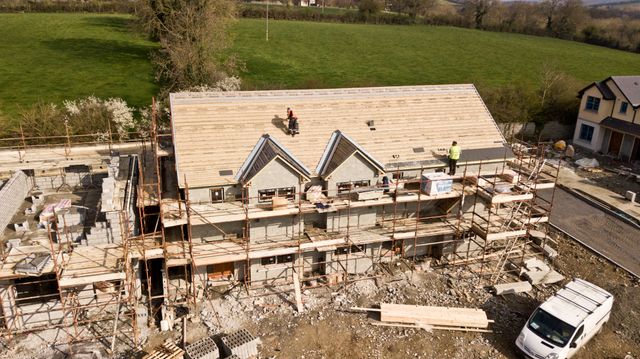 Work in Germany
The largest market, 28 to 40 €/hr
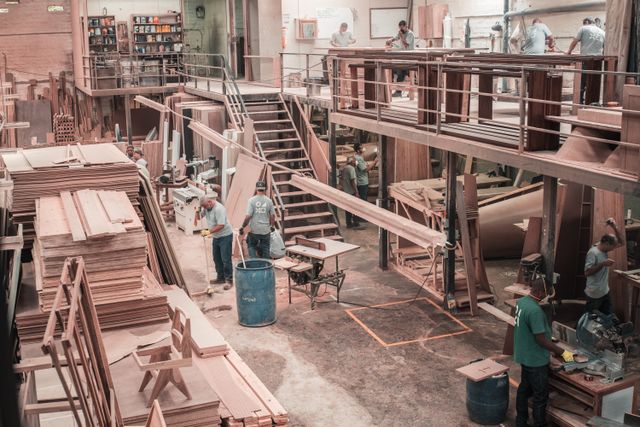 Work in Austria
Close to home, protected wages (KV)
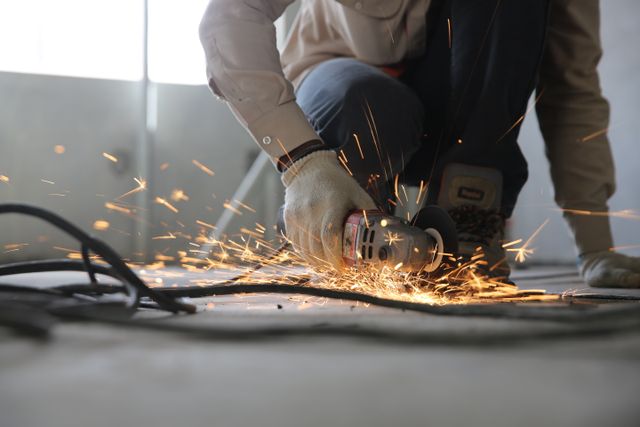 Work in the Netherlands
Steady work, accommodation included
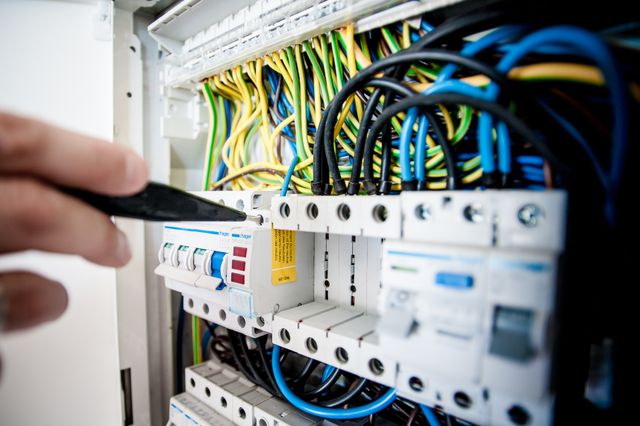 Work for electricians
LV wiring, instrumentation, photovoltaics
 Work for carpenters
Formwork, roof trusses, timber-frame builds