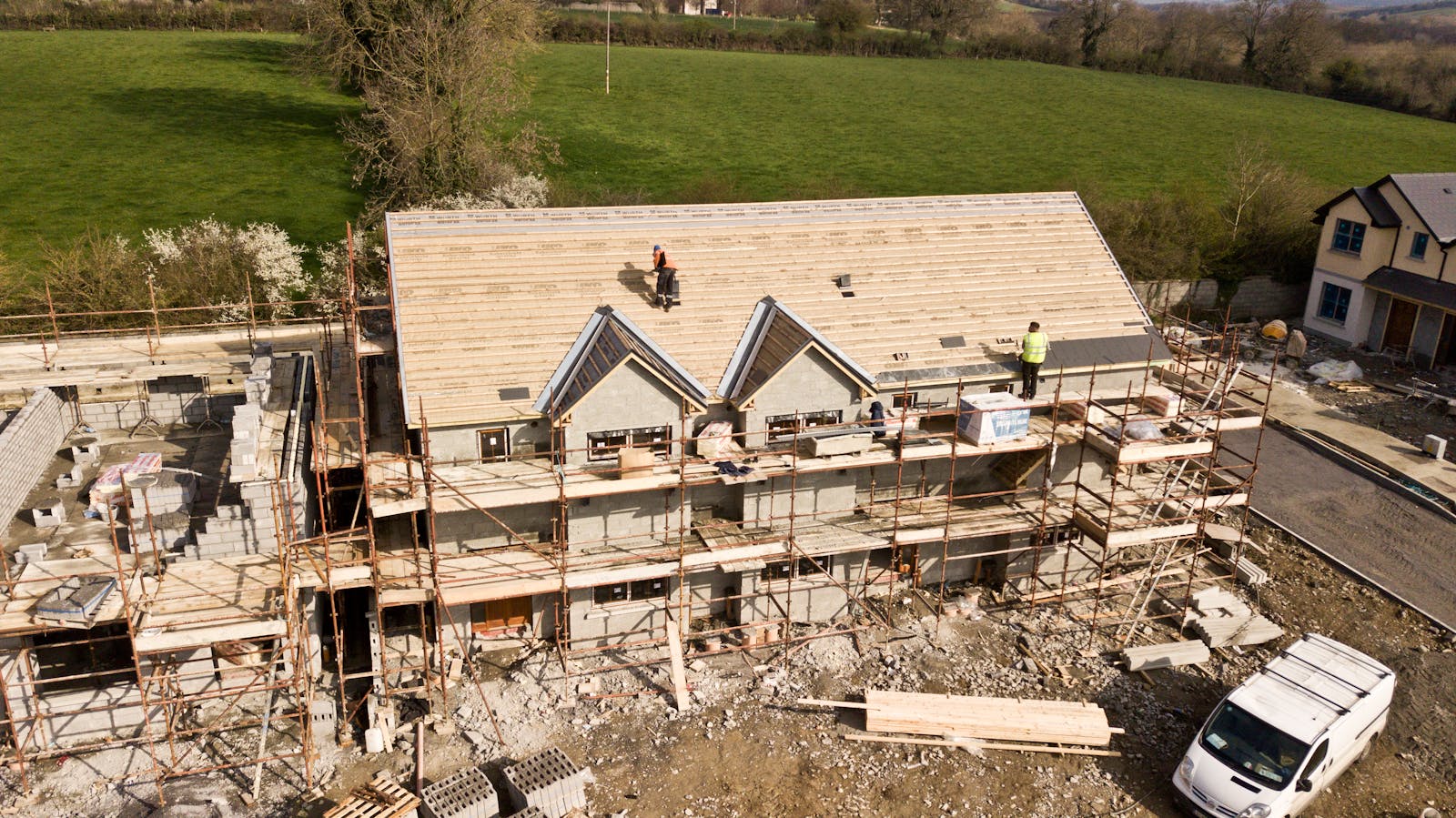
The largest market for tradespeople from SK and CZ. High rates, steady demand and rotational shifts with accommodation. Fill in your profile once and offers keep coming.
Create your profile in 3 minutes, no CV needed.
For Slovak and Czech tradespeople, Germany is the largest and best-paid market. Most of the work is for welders, carpenters (formwork), electricians and plumbers. Many projects run on rotational shifts with accommodation and per diems.
To work in Germany you generally need an A1 certificate, and in the trades valid certificates (welding to EN ISO 9606-1) or recognition of your qualification. Regulated trades may require recognition through a chamber of crafts; for most construction trades, experience and paperwork are enough.
Rates differ by region and by trade. As a rule, industrial and certified trades (pipe welders, instrumentation electricians) sit at the upper end of the range.
Through Alogator you create a profile with an availability calendar and German companies approach you directly. You see the pay and the conditions up front. Take a look at work in Austria as well.
Yes, to work in Germany you generally need an A1, which confirms where you are insured. You arrange it in Slovakia. On rotational shifts companies routinely help with it.
Welders need a valid certificate to EN ISO 9606-1, which is valid in Germany. Electricians need electrotechnical competence, and regulated trades sometimes need recognition through a chamber of crafts. It depends on the trade.
It depends on whether you are self-employed or an employee. On rotational shifts companies usually state the net and gross rate and the conditions up front. Through Alogator you see the pay and the form of cooperation before you are approached.
 Work in Austria
Close to home, protected wages (KV)
 Work in the Netherlands
Steady work, accommodation included
 Working abroad
Overview of markets, rates and conditions
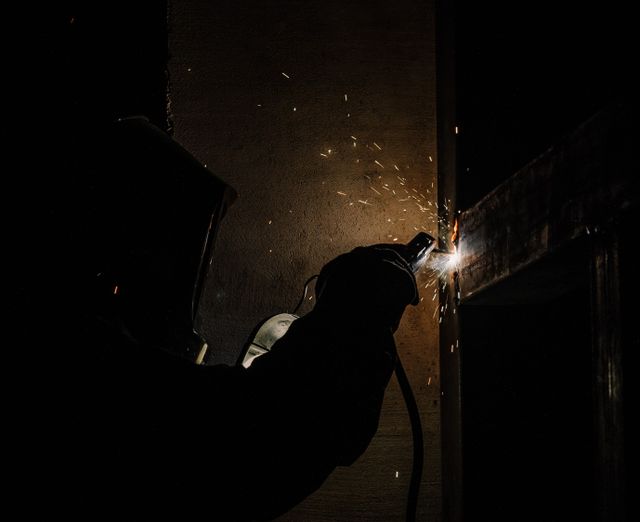 Work for welders
TIG, CO2, pipework and structures
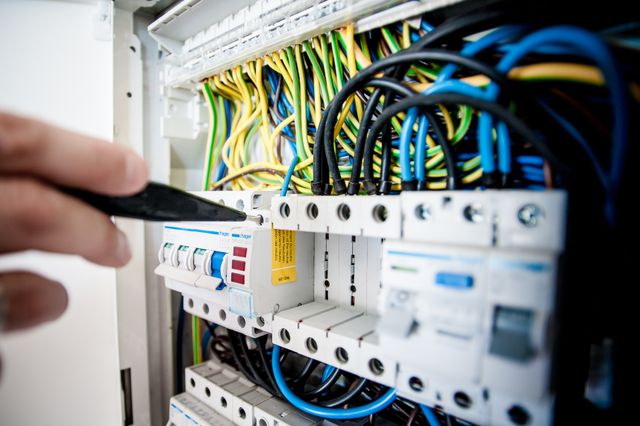 Work for electricians
LV wiring, instrumentation, photovoltaics
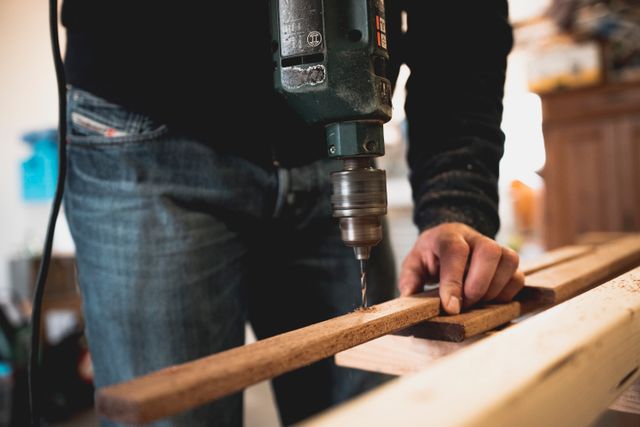 Work for carpenters
Formwork, roof trusses, timber-frame builds